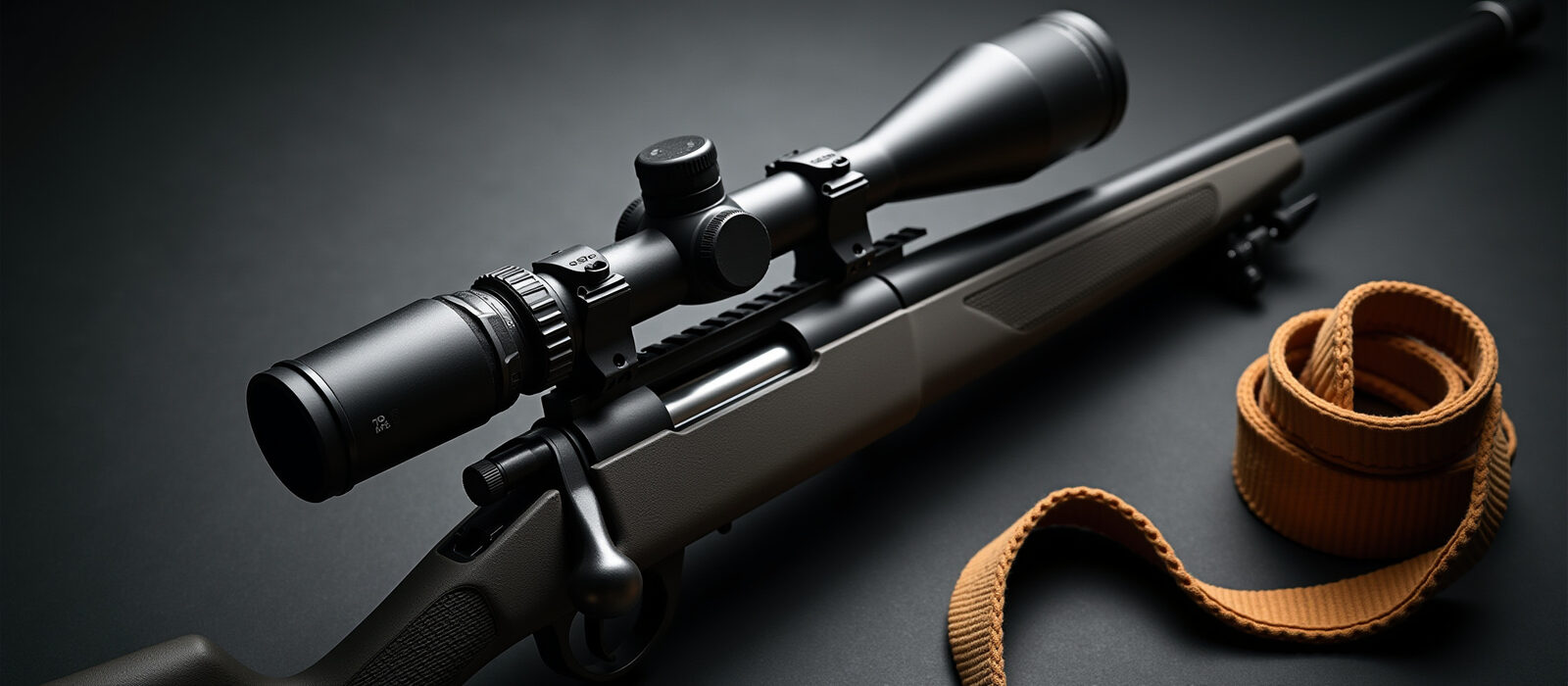
Night Vision Scope vs Day Night Scope: Which Should You Trust for Deer Season?

Legal disclaimer: This article provides only general and high-level explanations for educational purposes. It is not legal advice, hunting advice, or a substitute for current regulations that apply to your location, season, species, land, and equipment. Laws may change and may treat night vision, digital optics, infrared illumination, and possession of a device differently. You should not rely on this content to determine whether a particular optic or hunting activity is lawful. Check the current official rules and, when your situation is unclear, seek advice from a qualified attorney or the relevant wildlife agency. You are responsible for confirming what applies to your specific circumstances.
Choosing between a night vision scope and a day/night scope can sound like a gear decision. For deer season, though, your first question should be whether the device is lawful for the place and time you plan to hunt. Only then does it make sense to compare the image, controls, and versatility.
First, what do these scope names mean?
A night vision scope is an optic designed to help you see in low light. It may use an image intensifier or a digital sensor and display; some digital models can also use an infrared (IR) illuminator. The label alone does not tell you exactly how the optic works.
A day/night scope generally refers to an electronic optic with a daytime viewing mode and a low-light or night mode. Many use a digital camera sensor and screen, and may rely on an IR illuminator in very dark conditions. In practice, these categories can overlap: a digital night vision scope may also offer a daytime color mode.
So, don’t make your choice based on the name printed on a box. Check the specific model’s operating modes, illumination, power needs, and manufacturer instructions. For a broader explanation of the imaging technologies, see our guide to thermal vs. night vision.
The biggest deer-season question: is it legal?
A scope’s ability to show you an image after dark does not mean you may legally hunt deer after dark, or use that optic while hunting. Rules may specify shooting hours, restrict particular devices, or regulate when you may possess them. Regulations can also differ by state, season, public or private land, and species.
For example, Oklahoma’s big-game regulations specify shooting hours and list thermal tracking devices and light-enhancement devices, including night scopes, among devices prohibited from sunset to sunrise. Wisconsin’s guidance on lights and illuminating devices says night vision that uses natural light may be legal for hunting there, while night vision using active illumination may be prohibited for locating or illuminating animals. These examples are not a complete guide to either state’s rules, and they should not be applied to other locations.
Having said that, a “day/night” feature is not a hunting-law exemption. Before you hunt, check the current official regulation for your exact location and intended use. If the rule is unclear, don’t assume the device is allowed; contact the wildlife agency or seek professional legal counsel. This article is not legal advice, and you should not rely on it to decide what you may carry or use. Rules may cover far more than the optic itself, and much, much more.
How the two optic types compare

Dedicated night vision scope
A dedicated night vision scope may suit you if low-light viewing is its primary purpose and you have a lawful use for it. Depending on the model, it may offer a night-focused display, digital zoom, or compatibility with an illuminator.
The trade-off is that you are carrying a specialized electronic optic. You may need to manage batteries, settings, and the device’s performance in changing light. If the model uses active IR illumination, that feature may have separate legal implications. A brighter image does not guarantee that you can identify an animal, its surroundings, or what lies beyond it with enough certainty to make a safe and lawful decision.
AnyTime Optics carries dedicated digital night vision options, including the ZULUS HD lineup. Check the individual product specifications and applicable rules before choosing an optic for a specific use.
Day/night scope
A day/night scope offers more than one viewing mode in a single optic. That versatility may appeal if your lawful use includes different lighting conditions and you want to avoid swapping optics. Some models provide color daytime viewing and a digital night mode; feature sets vary, so compare the actual specifications rather than relying on the category name.
The added functions may also mean more menus, charging or battery requirements, and electronic components to learn. Night mode may depend on ambient light or an illuminator, and digital zoom can affect the detail you see. You’ll want to understand how the optic behaves in daylight and low light before relying on it in the field.
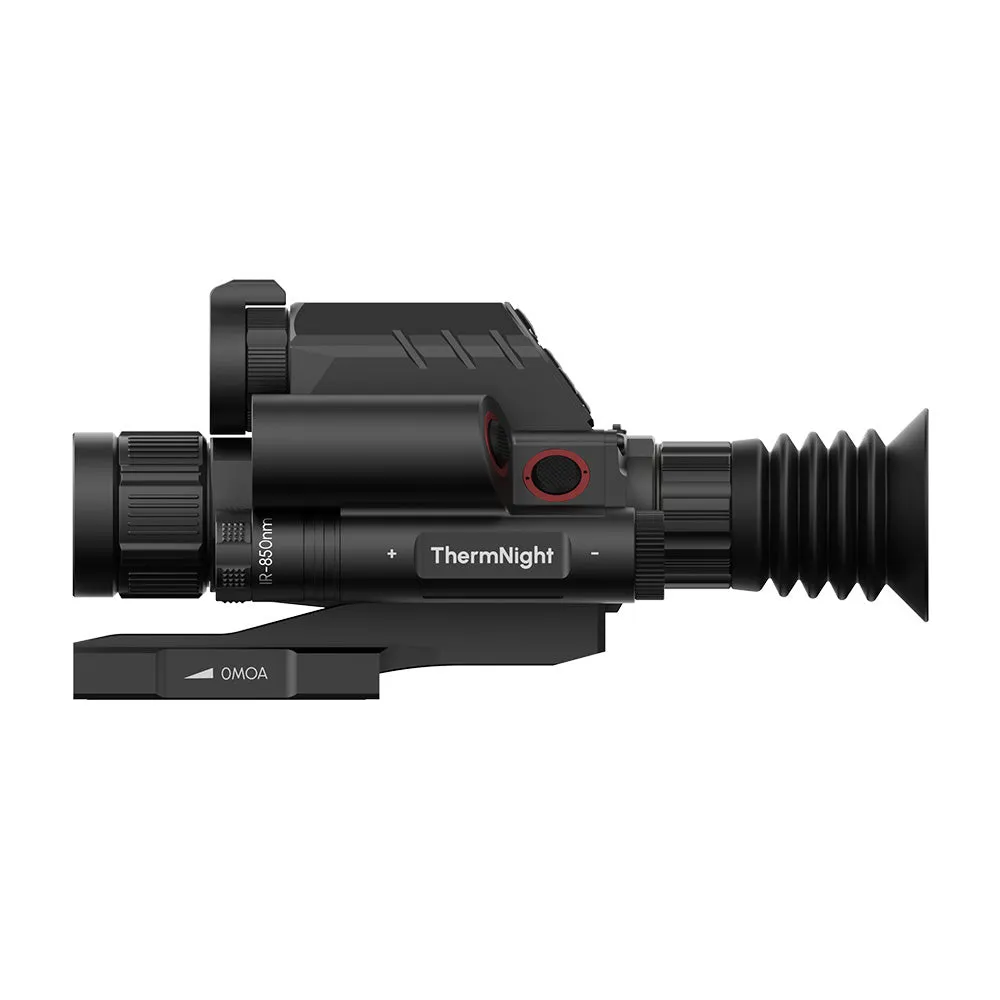
AnyTime Optics lists DNT Optics’ ThermNight TNC225R, a fused thermal and night vision system with an integrated laser rangefinder and ballistic calculator. It is a distinct multi-function product, not simply another name for a basic day/night scope.
Which should you trust for deer season?
Generally speaking, if your deer hunt takes place in daylight, a conventional daylight optic may be the straightforward choice: it is designed for that setting without asking you to manage digital modes or night illumination. If you want one optic for multiple lawful viewing conditions, a day/night model may offer useful flexibility. A dedicated night vision scope may make sense when low-light viewing is central to a lawful activity, not simply because deer are active around dawn or dusk.
The practical decision depends on your local rules, hunting conditions, and ability to positively identify a legal target. Do not use an electronic viewing mode to justify a shot when the animal, its surroundings, or the legal status of the equipment is uncertain. Use binoculars to observe and identify an animal before you bring a rifle into the process, and keep the firearm pointed in a safe direction. The Texas Parks and Wildlife hunter safety guidance discusses the importance of positive identification and safe target awareness.
A simple checklist before you buy
Before you choose hunting optics, consider:
- What do the current official rules say? Check device restrictions, shooting hours, season dates, land-specific rules, and any limits on possession or illumination.
- What kind of image does the optic provide? Determine whether it uses an intensifier, digital sensor, thermal imaging, or a combination.
- Does it use an illuminator? Find out whether illumination is built in or optional, and verify the rules that apply to it.
- How will you use it in legal daylight conditions? Compare the display, controls, power needs, and handling before making a decision.
- Can you identify what you see? More visibility does not necessarily mean reliable identification or a safe shot.
AnyTime Optics offers dedicated digital night vision and more advanced multi-function systems; you can compare the current product lineup and review our rifle scope selection guide. Product features and prices may change, so check current listings and ask questions before purchasing.
The bottom line
For deer season, the optic you should trust is the one that is lawful for your hunt, suitable for the conditions, and familiar enough for you to use responsibly. A night vision scope prioritizes low-light viewing; a day/night scope may combine daytime and electronic night modes. Neither label settles the legal question, and neither replaces careful identification or safe judgment.
Check the current regulations for your exact situation, confirm the specifications of the specific model, and seek professional legal counsel if you need a legal interpretation. Your own location and circumstances determine what applies, and much, much more.